Libraries
What's Popular
Rebel Homeschool
A blog written by a Free Thinking mom about secular homeschooling her two teens.
Sonlight Users' Messianic Forum
This group is for Sonlight curriculum-users who are actively homeschooling/ home-educating from a Jewish or Messianic perspective, and those who are interested in learning more about Messianic Judaism, and how it relates to parenting and specifically to home-educating their children.
Homeschool Football League Summer Football Camps
HFL Summer Football Camps are for homeschool boys between the ages of 6 and 18. The camps are designed to teach and improve the skills and knowledge needed to play key offensive and defensive positions in flag and tackle football. The drills are helpful to boys on all skill levels. Camps are one week in duration and are located at various locations in North Carolina.
Pacific Justice Institute (PJI)
Pacific Justice Institute is a non-profit legal defense organization specializing in the defense of religious freedom, parental rights, and other civil liberties. PJI provides free representation to parents who are unlawfully denied the right to homeschool their children. PJI also provides legal counsel to those parents wishing to homeschool, but do not know their legal options or obligations.
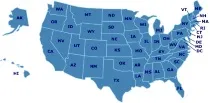
Home School Laws from HSLDA
Find the laws pertaining to home education for all 50 states and U.S. territories.
Computer Software for De-Schoolers
This article details the good reasons to use educational software in your homeschooling program.
Free Printable Ten Frame Cards
Learn 10s with these free printable cards that offer a fun way to practice. Read about different ways to use the cards for enjoyable math games to teach this concept.
Free Printable Preschool Worksheets
Free printable preschool worksheets for learning to write the alphabet, numbers and bible memory verses, plus free printable colouring pages and more!
Printable Worksheets, Activities, and Tests for the Differentiated Classroom
Resource creation software for the differentiated classroom from Schoolhouse Technologies saves you the time to do what you do best: teach! Quickly and easily create printable worksheets, activities, and tests for a wide range of student levels and abilities. Deliver an effective individualized educational experience and have more time for teaching. Math Resource Studio is the teaching tool you need to create virtually unlimited, professional-quality, printable math worksheets and reviews. Generate math worksheet activities to provide practice in: number operations, number concepts, algebra, geometry, fractions, numeration, time, money, math puzzles, ratio and percent, measurement, and more.
Time4Learning
The Time4Learning preschool program combines technology, animated characters, original stories and fun music to inspire a love of learning in the littlest e-learners. Ed Mouse and his friends guide children through more than forty topics such as numbers, letters, rhymes, self, time, music and colors.